

ANIMAL LOVERS (ALE+)
Learning Modules
A structured set of animal welfare, biodiversity, culture, empathy, and responsibility modules prepared for classroom use.
Learning Modules
30 photos
Learning Content
Introduction to the topic
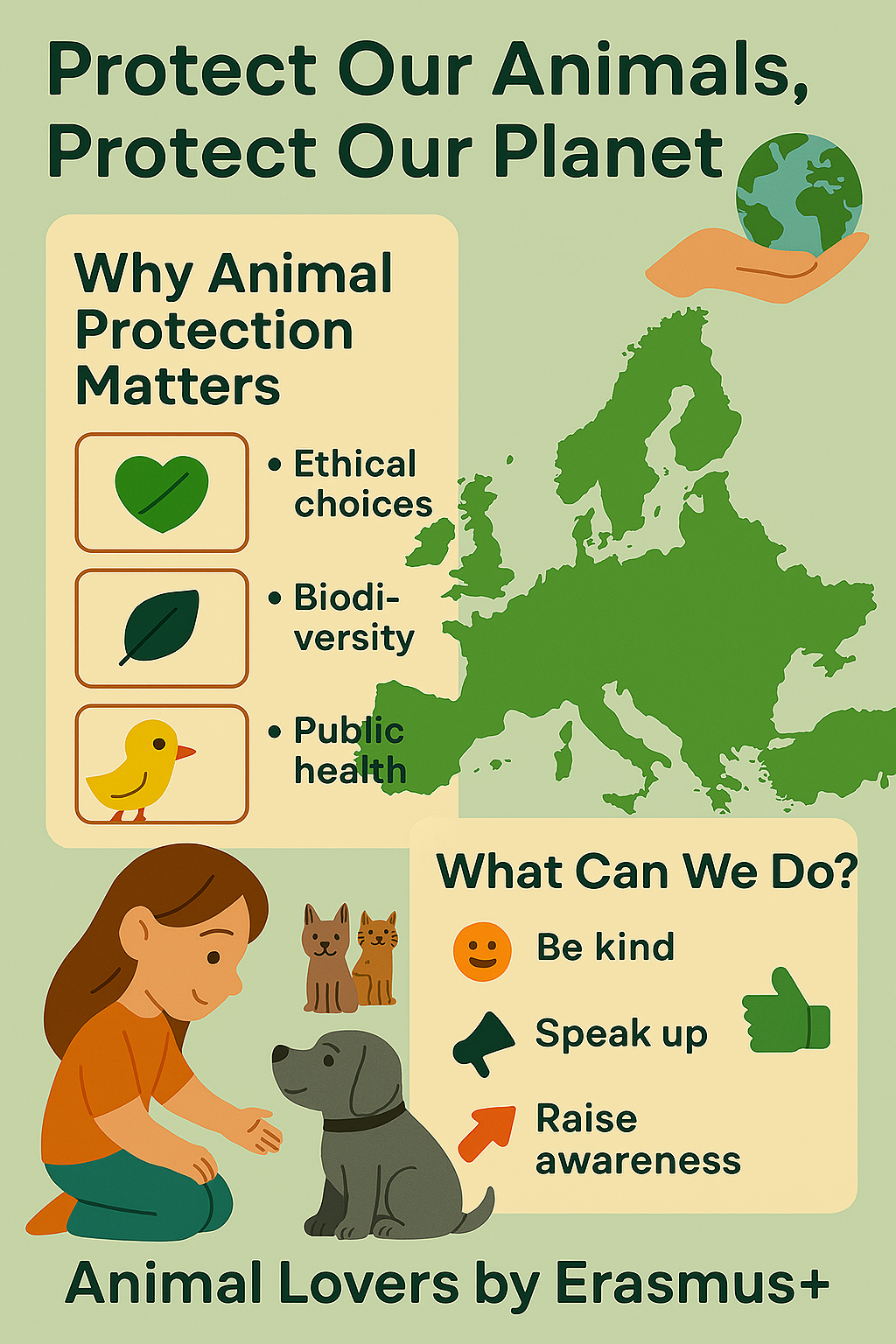
Discussion on the importance of animal protection and welfare
Ethical Responsibility:
At the core of animal protection is the belief that all living creatures have intrinsic value and deserve to live free from unnecessary suffering. As humans, we have a moral duty to treat animals with compassion and respect. Ensuring their welfare reflects our values as a society and our understanding of empathy and justice.
Biodiversity and Ecosystem Balance:
Protecting animals is essential for maintaining biodiversity. Every species has a role in the ecosystem-pollinators like bees, predators that control pests, and decomposers that recycle nutrients. When animals are harmed or driven to extinction, ecosystems can collapse, leading to severe consequences for the planet and humanity.
Prevention of Cruelty and Abuse:
Animal welfare laws help prevent cruelty in various settings-homes, farms, laboratories, and entertainment industries. Without such protection, animals can be subjected to neglect, abuse, and inhumane conditions. Raising awareness helps develop a culture of kindness and responsibility.
Public Health and Zoonotic Diseases:
Many diseases, such as COVID-19, SARS, and avian flu, originate from poor animal welfare conditions and the illegal wildlife trade. Promoting animal health and welfare reduces the risk of zoonotic diseases crossing into the human population, protecting global health.
Education and Empathy Development:
Educating young people about animal welfare builds empathy, responsibility, and a deeper understanding of life. It can lead to more thoughtful decisions regarding pets, food choices, and environmental impact, contributing to a more humane and sustainable world.
Legal and Social Progress:
In many countries, legal frameworks have been established to protect animals from exploitation and harm. These laws represent societal progress and increasing recognition of animal sentience-the ability of animals to feel pain, fear, joy, and affection.
Link to Sustainability:
Animal welfare is deeply connected to sustainable living. Humane farming practices, conservation efforts, and ethical consumer choices all support environmental sustainability. The more we protect animal habitats and treat animals ethically, the healthier our planet becomes.
Questions to Spark Classroom or Group Discussion:
Why is animal welfare important in our local community?
How can we, as students or citizens, contribute to protecting animals?
What are some examples of animal cruelty we need to eliminate?
Should animals have rights similar to humans? Why or why not?
What role do veterinarians and animal shelters play in animal welfare?
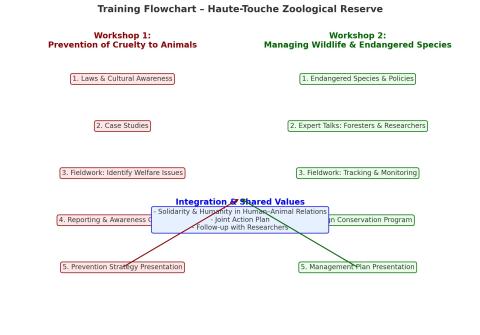
Prevention of Cruelty to Animals
Objectives
Understand the legal, ethical, and cultural frameworks preventing animal cruelty.
Recognize signs of neglect, abuse, and mistreatment in both domestic and wild animals.
Gain hands-on skills for intervention and public awareness.
Session Plan
Introduction & Awareness (Classroom)
EU and French laws on animal welfare
Cultural differences in understanding cruelty
Role of NGOs and citizen reporting
Case Studies
Companion animal neglect cases
Farm animal welfare investigations
Wildlife cruelty incidents (poaching, illegal trapping)
Practical Training (Reserve Fieldwork)
Identifying signs of stress or poor welfare in captive and semi-wild animals.
Demonstration: proper handling and restraint methods.
Veterinary check-up observation with reserve staff.
Communication Skills
How to report suspected cruelty effectively.
Creating public awareness campaigns.
Evaluation
Group presentations on a prevention strategy for a specific case.
Workshop 2: Managing Wildlife and Endangered Species
Objectives
Learn about conservation biology principles.
Understand the role of reserves like Haute-Touche in species protection.
Gain field skills in monitoring, habitat assessment, and species management.
Session Plan
Introduction & Context (Classroom)
Global and EU Red Lists (IUCN)
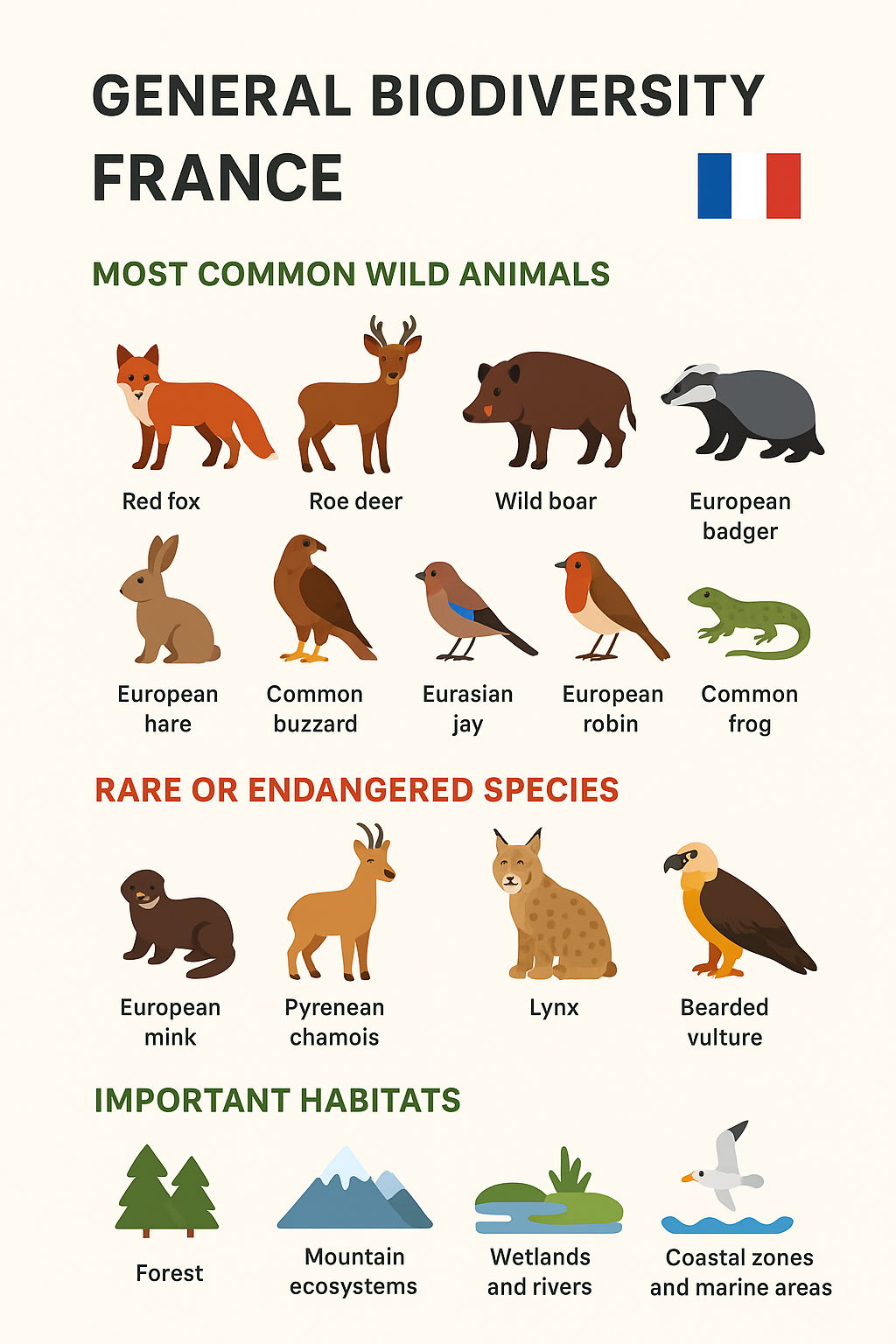
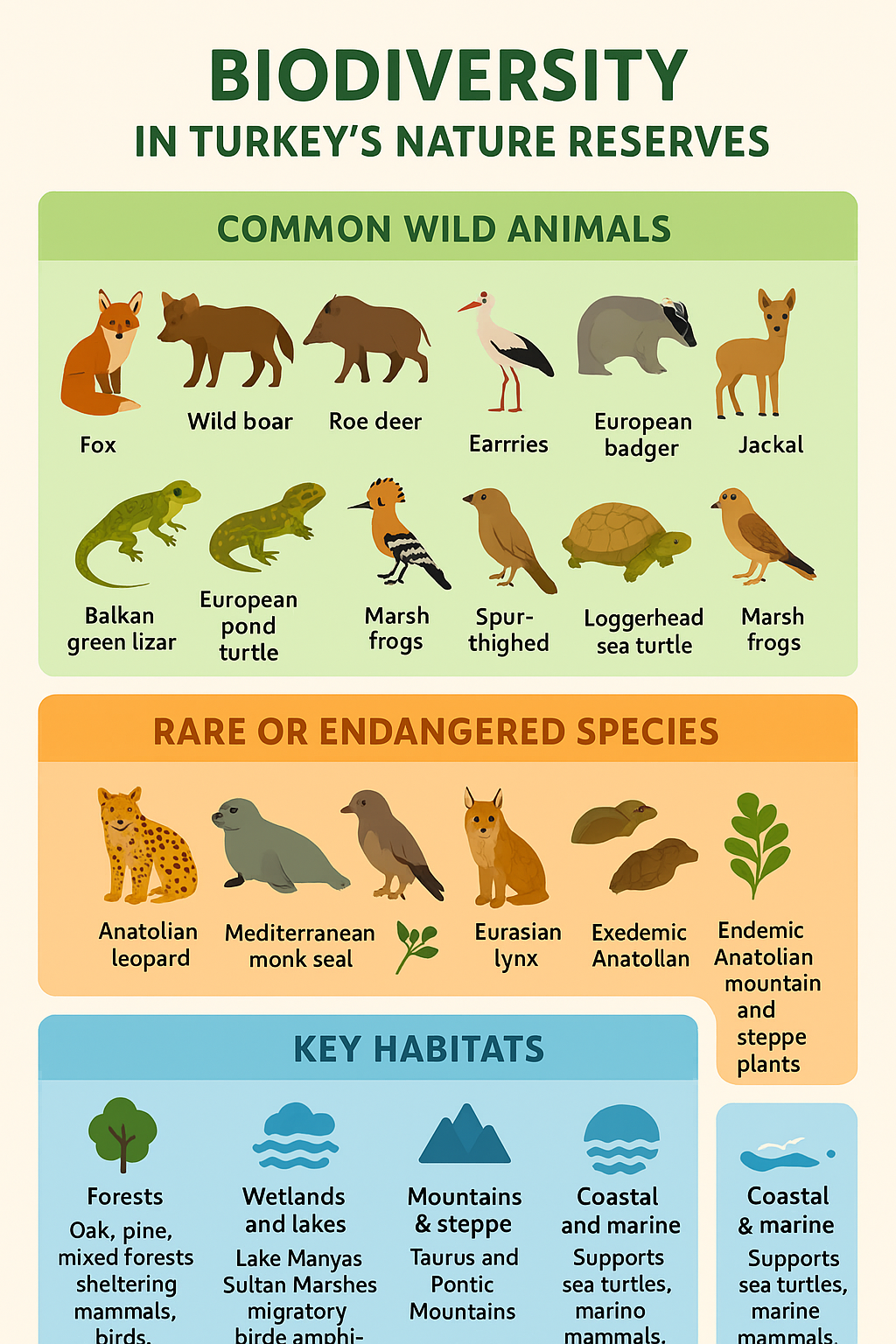
Endangered species in France and Europe
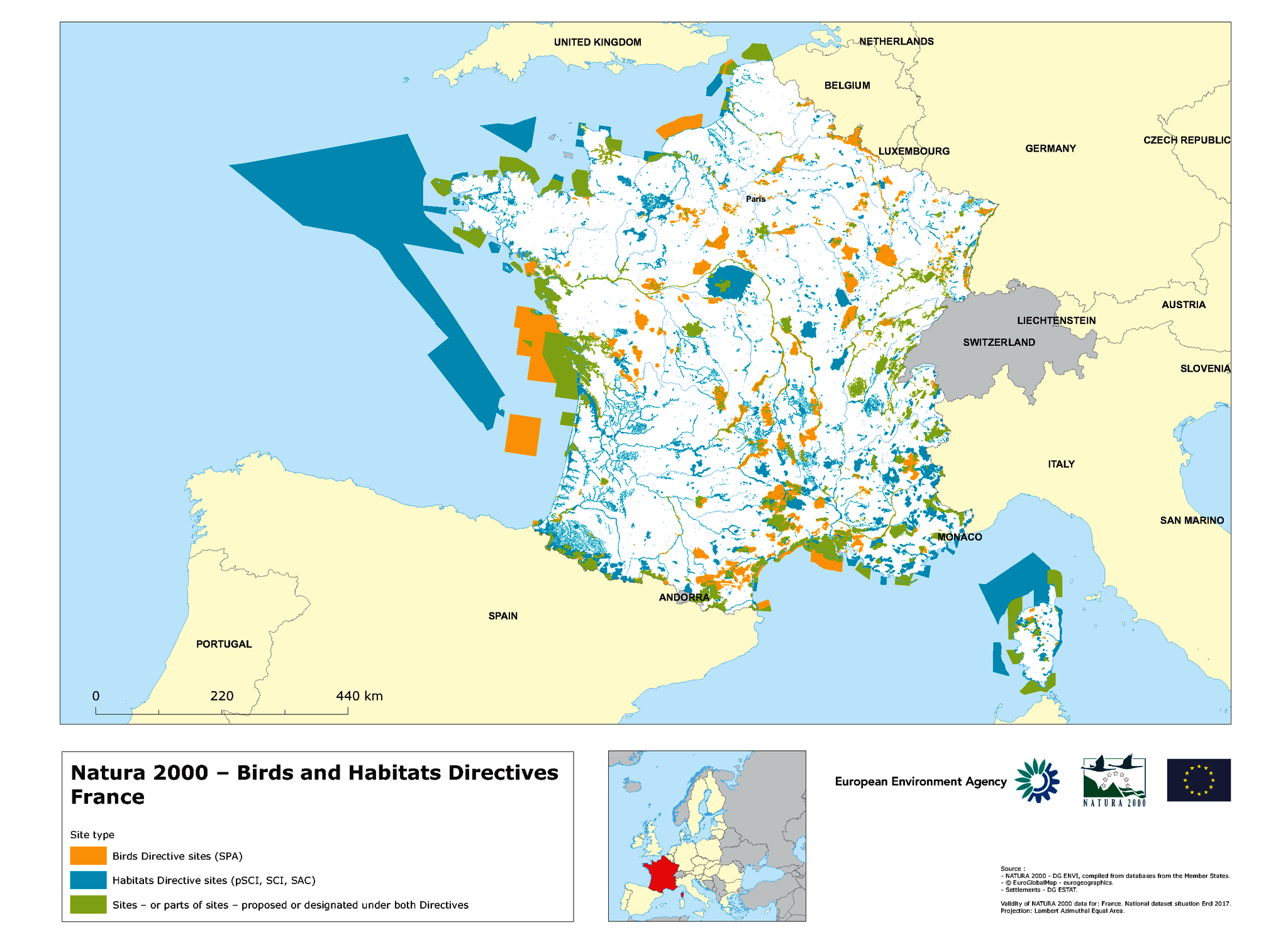
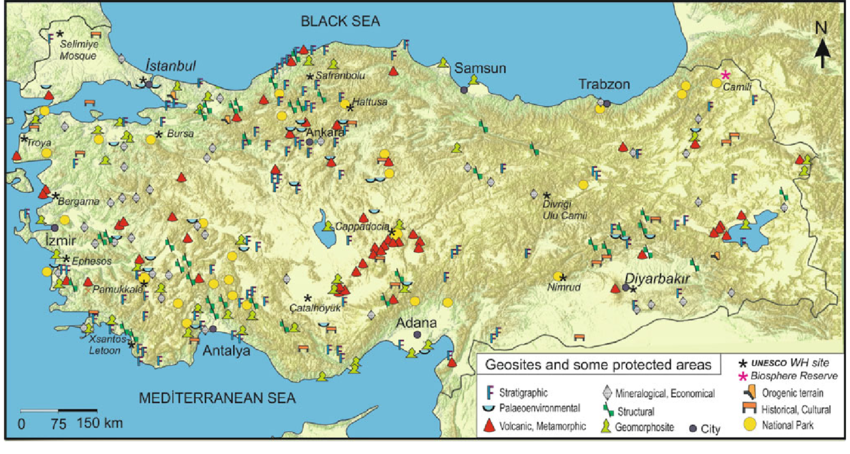
Conservation policies and protected areas
Meet the Experts
Presentation by reserve researchers and foresters:
Breeding programs
Habitat restoration projects
Reintroduction strategies
Practical Training (Fieldwork in Haute-Touche)
Tracking and monitoring techniques (GPS, camera traps).
Habitat assessment: measuring biodiversity indicators.
Participating in feeding or enrichment for endangered species.
Conservation Program Simulation
Teams design a management plan for a chosen species.
Include habitat needs, threats, breeding programs, and public engagement.
Evaluation
Presentation to a panel of researchers and foresters.
Integration Between the Two Workshops
Shared Values: Both link to solidarity & humanity in human–animal relations.
Joint Activity: Students create a combined action plan to prevent cruelty while ensuring long-term conservation.
Follow-up: Virtual meeting with researchers after 6 months to track progress on proposed projects.
Animal Lovers – Empathy & Sensitivity Worksheet / Erasmus+ Project
Group Names: ___________________________ Date: ________________
1. How can we become more empathetic towards animals? Brainstorm 3‒5 ideas.
1. ________________________________________
2. ________________________________________
3. ________________________________________
4. ________________________________________
5. ________________________________________
2. What actions can we take to show sensitivity in our daily lives? Write down practical things you can do.
1. ________________________________________
2. ________________________________________
3. ________________________________________
4. ________________________________________
5. ________________________________________
3. How do empathy and sensitivity contribute to a better world for both humans and animals?
Discuss and summarize your group’s thoughts.
___________________________________________________________
___________________________________________________________
___________________________________________________________
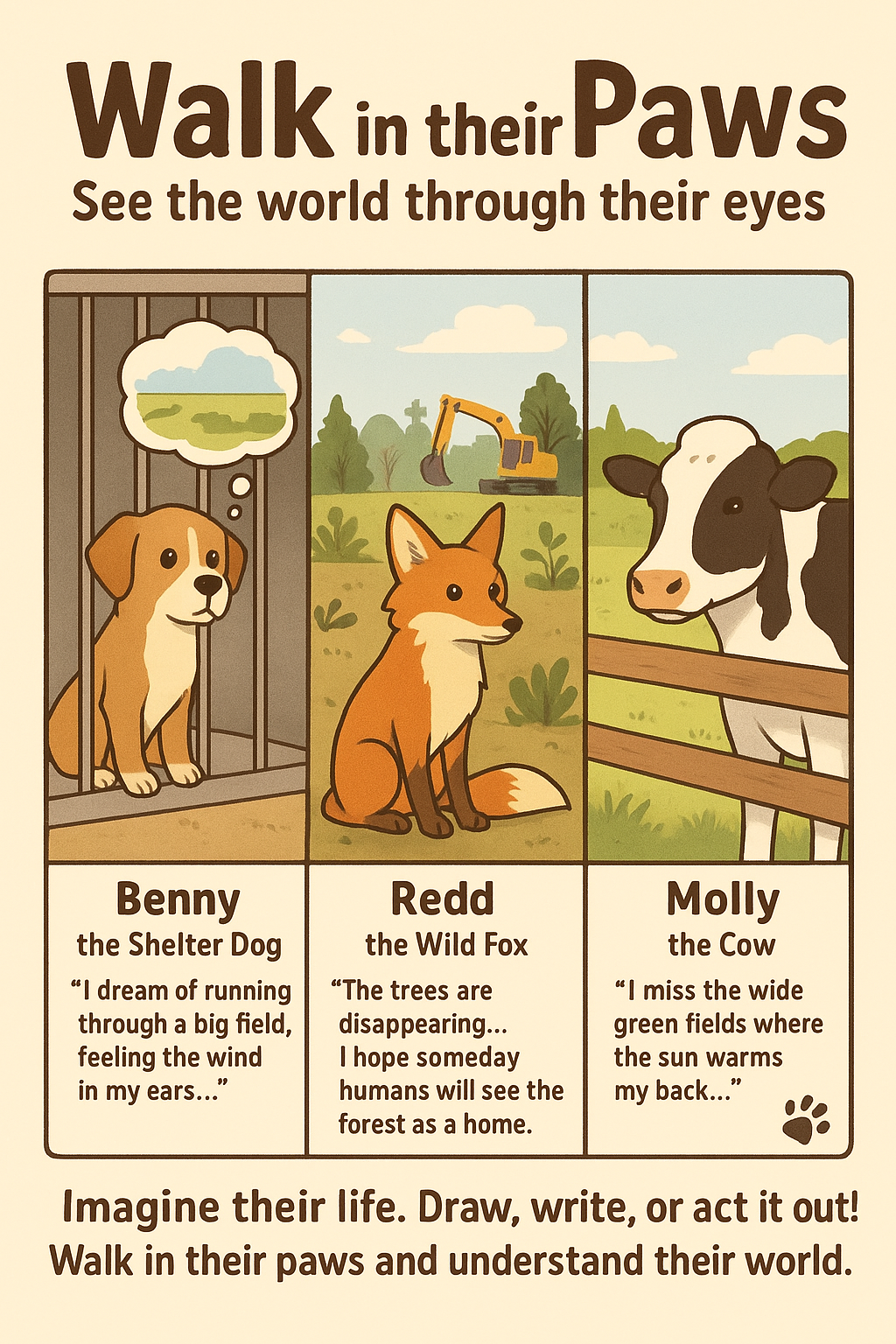
4. Activity: “Walk in My Paws”
Role-play: Each member chooses or is assigned an animal (street dog, farm cow,
bird in a polluted area, zoo elephant, etc.).
• Describe what your animal sees, hears, feels in one day.
• Share your “story” with the group.
What did you learn from this role-play?
___________________________________________________________________
____________________________________________________________________
5. Group Reflection
https://pronewsdobrich.bg/pisancho-i-pisanka-%E2%80%93-novite-%E2%80%9Esluzhiteli%E2%80%9C-na-rim-dobrich-(videosnimki)-p559177?fbclid=IwY2xjawISibVleHRuA2FlbQIxMAABHYTeRJ63t–91YsVDqYbUUUkFhT3GMckN2xtlf4AAK2zlLfA7oWq3BNfbQ_aem_IlMCEUGNq0oSqcQupp7-Sw
Worksheet A:
Ethical, Philosophical, and Religious Views
on Animal Protection
1. Discussion Questions:
– Why do you think some people believe animals deserve moral rights?
– What does it mean to "respect all living beings"?
– Can you think of any religious teachings that encourage kindness to animals?
2. Match the Belief System to the View on Animals:
A. Buddhism
B. Christianity
C. Islam
D. Secular Humanism
__ Teaches compassion for all sentient beings.
__ Believes humans are stewards of creation, including animals.
__ Encourages care and responsibility for animals.
__ Argues for equal consideration based on the ability to suffer.
3. Reflection Prompt:
Write a short paragraph:
What are your personal beliefs about how animals should be treated?
Answer Key: Worksheet A
1. Discussion Questions – Sample Teacher Insights
Why do you think some people believe animals deserve moral rights?→ Many people believe animals are sentient beings capable of feeling pain, joy, fear, and suffering. Because of this, they argue animals should have rights to prevent cruelty and ensure their well-being. Ethical theories like utilitarianism and deontology also support moral rights for non-human creatures.
What does it mean to "respect all living beings"?→ It means acknowledging the value of all forms of life, treating animals with compassion, avoiding unnecessary harm, and promoting coexistence. This concept is present in various ethical systems and is often linked to non-violence and empathy.
Can you think of any religious teachings that encourage kindness to animals?→ Yes.
Buddhism teaches ahimsa (non-harm) and reverence for all sentient life.
Christianity teaches stewardship – that humans must care for God's creation, including animals.
Islam encourages mercy and responsibility for animals, with the Prophet Muhammad offering many examples of kindness to animals.
Hinduism also promotes ahimsa and views some animals as sacred.
2. Match the Belief System to the View on Animals
A. Buddhism → ✅ Teaches compassion for all sentient beingsB. Christianity → ✅ Believes humans are stewards of creation, including animalsC. Islam → ✅ Encourages care and responsibility for animalsD. Secular Humanism → ✅ Argues for equal consideration based on the ability to suffer
3. Reflection Prompt – Teacher’s Sample Response
What are your personal beliefs about how animals should be treated?
➡ "I believe animals should be treated with kindness and dignity. They are living beings capable of feeling pain and joy, so it is our moral responsibility to protect them from suffering. Whether through the food industry, entertainment, or as pets, our actions should reflect empathy and respect for animal life."
Worksheet B: Scientific and Legal Views on Animal Protection
1. Science & Sentience:
– What is animal sentience?
– List three pieces of evidence that animals can feel pain:
1.
2.
3.
2. Animal Protection Laws (Fill in the blanks):
In the EU, it is illegal to ___________ healthy stray animals.
Animal Welfare Worksheets
Most animal welfare laws require animals to be given proper ___________ and ___________.
3. Research Task:
Find one example of a law in your country that protects animals.
Law Name: __________________________
Main Purpose: ________________________
Teacher’s Answer Key
1. Science & Sentience:
What is animal sentience? Animal sentience is the capacity of animals to feel, perceive, or experience subjectively, including the ability to feel pain, pleasure, fear, and other emotions.
List three pieces of evidence that animals can feel pain:
Animals show physical responses to harmful stimuli, such as withdrawing or vocalizing.
Animals exhibit behavioral changes after injury (e.g., limping, avoiding certain activities).
Scientific studies show that animals have nervous systems and brain structures involved in processing pain.
2. Animal Protection Laws (Fill in the blanks):
In the EU, it is illegal to kill healthy stray animals.Most animal welfare laws require animals to be given proper food and shelter.
3. Research Task (example for Bulgaria): Law Name: Закон за защита на животните (Animal Protection Act)Main Purpose: To protect animals from cruelty, ensure their welfare, and regulate their treatment, care, and living conditions.
Worksheet C: The Animal Rights Debate
1. Statements – Do you agree or disagree? (Circle your answer)
– Animals have the same right to live as humans do. (Agree / Disagree)
– Using animals for food is acceptable if they are treated humanely. (Agree / Disagree)
– Keeping pets is a form of animal exploitation. (Agree / Disagree)
– Animal testing is necessary for medical progress. (Agree / Disagree)
2. Group Debate Activity:
Split into two groups:
Group A: Argue for animal rights
Group B: Argue against (or for limited rights)
Prepare three key points for your side:
1.
2.
3.
3. Reflection:
Has your opinion changed after hearing other arguments? Why or why not?
Write 2-3 sentences.
Teacher’s Answer Key
1. Statements – Do you agree or disagree? (Note: These are subjective. Teacher should accept both answers as long as students can explain their reasoning. Sample justifications are provided.)
Animals have the same right to live as humans do.Possible student explanation: "Agree – because all living beings have the right to life and freedom from suffering."
Using animals for food is acceptable if they are treated humanely.Possible student explanation: "Agree – as long as farming practices ensure the animals live good lives and are not abused."
Keeping pets is a form of animal exploitation.Possible student explanation: "Disagree – if pets are loved, cared for, and their needs are respected, it’s not exploitation."
Animal testing is necessary for medical progress.Possible student explanation: "Agree – some believe it's necessary to save human lives, though it should be limited and ethical."
2. Group Debate Activity:
Group A: Argue for animal rights
Animals are sentient beings capable of feeling pain and emotions.
Exploiting animals for food, clothing, or entertainment is unethical.
Animals deserve legal protection and basic rights, just like humans do.
Group B: Argue against (or for limited rights)
Humans need to use animals for survival (food, medicine), but must do so humanely.
Animals cannot have the same rights as humans because they cannot make moral choices.
Regulated use of animals is acceptable if it benefits society and avoids cruelty.
3. Reflection:
Sample Response:"Yes, my opinion changed. I didn’t think much about animals having rights before, but now I see how they can suffer just like humans do."OR"No, my opinion stayed the same. I still believe that we can use animals ethically if we respect their needs and avoid unnecessary harm."
Worksheet D: Games & Cruelty
1. What is Animal Cruelty?
Give three examples of animal cruelty in:
Real Life:
Animal Welfare Worksheets
1.
2.
3.
Media or Entertainment:
1.
2.
3.
Sports or Traditions:
1.
2.
3.
2. Game Analysis:
Choose a video or board game that involves animals.
– Is the portrayal of animals realistic or respectful?
– Could the game promote harmful ideas about animals?
Game Name: __________________________
Your Analysis: __________________________
3. Creative Task:
Design a game that teaches kindness to animals.
Draw it or describe how it's played below:
Teacher’s Answer Key
1. What is Animal Cruelty? Animal cruelty is any behavior that causes unnecessary pain, suffering, or harm to animals, whether intentional or through neglect.
Give three examples of animal cruelty in:
Real Life:
Abandoning pets without food or shelter.
Hitting or physically abusing animals.
Keeping animals in cages that are too small or dirty.
Media or Entertainment:
Using real animals in movies without proper care.
Depicting animal fights or harm as “funny” or entertaining.
Video games where animals are hunted or abused for points.
Sports or Traditions:
Bullfighting.
Dog or cock fighting.
Using animals in circus performances with cruel training methods.
2. Game Analysis:
Game Name: Red Dead Redemption 2 (example)Your Analysis:
The game includes hunting animals, which is realistic but may desensitize players.
Some parts treat animals as resources, which could promote harmful ideas if not discussed critically.
However, it also shows consequences of harming animals and includes natural behaviors.
(Teacher tip: Accept any game the student chooses, as long as they reflect thoughtfully on the portrayal.)
3. Creative Task: Sample Description:Game Name: Animal Rescue QuestPlayers move around a board where they complete missions like rescuing lost pets, helping wildlife cross roads, or building shelters. Players collect kindness points and learn facts about animal care along the way. The winner is the player with the most kindness points, not the most money or territory.
(Teacher tip: Encourage creativity, teamwork, and educational elements.)
Questions about domestic animals (pets)
1. Can you give us a survey (statistics) about pets in your families?
How many / which kind of animals are living in the households of your fellow students?
Where do these animals come from (e.g. breeder, pet shop, internet store, gift by friends or relatives, animal shelter, organization for protection of animals, …)?
Is the result of your survey in your school representative of your region / country?
2. What is the situation of homeless animals (stray animals / abandoned animals; mainly cats and dogs, I suppose) in your country (if need be: in the different parts of your country)?
How many cats and / or dogs are living as stray animals on the street, how many in animal shelters?
Are there measures taken to decrease the number of stray / abandoned animals? What kind of measures? Who is responsible for it?
3. Which (national) laws for protection of domestic animals / of stray or abandoned animals do exist in your country?
Are these laws kept? Are there measures taken to guarantee the keeping of the laws? What happens if someone acts against the law? Can you as a private person do something to have the law carried out?
4. What is the situation of animal shelters in your country?
Who is responsible for maintaining the shelter (e.g. municipality, private people, society)? Who is financing the shelters?
Are there interests (financial or other) that encourage / hinder the adoption of animals from a shelter? What happens to animals which couldn’t get adopted after a certain / fixed period? 5. Does international cooperation (e.g. through the internet) open new / better chances of improving the situation of homeless (abandoned / stray) animals?
Animal Sanctuaries & Stray Animals – Research Worksheet
Student Name(s): __________________________Group: ☐ Animal Sanctuaries ☐ Stray AnimalsDate: __________________________
Part 1 – Introduction
Why is your topic important?
Part 2 – Research Questions
If you are in the Animal Sanctuaries group:
What is an animal sanctuary? How is it different from a zoo or an animal shelter?
What types of animals are cared for in sanctuaries?
How do sanctuaries meet animals’ needs (food, shelter, medical care)?
What problems or challenges do sanctuaries face?
Examples of well-known sanctuaries (local & global)
If you are in the Stray Animals group:
What causes animals to become strays?
How do stray animals survive? What dangers do they face?
What laws or community programs exist to help stray animals?
How do other countries successfully manage stray animal populations?
Ideas for reducing the number of stray animals:
Part 3 – Summary of Findings
Write a short paragraph summarizing your most important findings:
Part 4 – Reflection
What did you learn that surprised you the most?
How can we help animals in our own community?
Introduction to the Research Task
A. Why Study This Topic?
Animals play an important role in our environment, communities, and daily lives. However, not all animals have safe and caring homes.
Animal sanctuaries provide protection, rehabilitation, and lifelong care for rescued animals.
Stray animals often face hunger, disease, and danger on the streets.Understanding these issues helps us learn how to protect animal welfare, support responsible ownership, and promote ethical treatment of animals.
Studying these topics will help students:
Learn about animal protection systems in different countries.
Understand social and ethical responsibilities toward animals.
Explore possible solutions for reducing stray animal populations.
B. Group Division
The class will be divided into two research teams:
Animal Sanctuaries Team
Research what sanctuaries are, their purposes, how they operate, and examples of
famous sanctuaries worldwide.
Investigate how sanctuaries improve animal welfare and biodiversity.
Stray Animals Team
Research the causes of stray animal populations, challenges they face, and the
laws or policies addressing the problem.
Explore community programs and successful strategies to help stray animals.
C. Setting Research Questions
To guide your work, each group should answer questions like:
For Animal Sanctuaries:
What is an animal sanctuary, and how is it different from a zoo or shelter?
How do sanctuaries care for rescued animals?
What challenges do sanctuaries face (financial, environmental, legal)?
What are some inspiring examples of sanctuaries in our country or abroad?
For Stray Animals:
What causes animals to become strays?
How do strays survive, and what dangers do they face?
What laws or programs exist to manage stray populations?
What are examples of successful stray animal management in other countries?
Why Do We Need Standards for Animal Protection?
1. The Link Between Animal Welfare and Environmental Protection
Animal protection is not only about kindness-it’s about balance in nature. Healthy animal populations:
Help maintain biodiversity.
Support ecosystems (e.g., pollination, seed spreading, pest control).
Prevent the spread of diseases by keeping wildlife populations healthy.
When animals suffer due to neglect, cruelty, or habitat loss, entire ecosystems can weaken, affecting humans too. Protecting animals means protecting the planet.
2. The Role of International and National Laws
To ensure that animals are treated humanely everywhere, we need clear standards – rules that set the minimum level of care and protection. These standards are enforced through:
International agreements – e.g., the Convention on International Trade in Endangered Species (CITES), World Animal Health Organization (OIE) guidelines.
National laws – regulations on animal farming, pet ownership, wildlife protection, and prevention of cruelty.
Local policies – city and regional rules for stray animal management, shelter operations, and community education.
These laws create a safety net, so animal welfare is not left to chance.
3. Examples of Successful Policies Around the World
The Netherlands – Nearly zero stray dogs thanks to nationwide sterilization, registration, and responsible ownership campaigns.
New Zealand – Strong animal welfare laws banning cosmetic testing on animals and improving farm animal living conditions.
Costa Rica – Closed all public zoos and invested in sanctuaries and rescue centers for wildlife.
Austria – Banned fur farming and set strict welfare rules for all animals.
These examples show that good laws, when enforced, protect animals and improve environmental health.
Why Do We Need Standards for Animal Protection? – Student Worksheet
Name: ___________________________ Date: _______________
Part 1 – Animal Welfare & Environmental Protection
How is animal welfare connected to environmental protection?
Give two examples of how protecting animals helps the environment:
Part 2 – Laws & Standards
What is the purpose of having international and national laws for animal protection?
Match the examples to the type of law or policy:
Example | Type
Protects endangered species from trade | ☐ International law ☐ National law ☐ Local policy
Requires pet owners to register and vaccinate animals | ☐ International law ☐ National law ☐ Local policy
Sets rules for humane treatment in animal shelters | ☐ International law ☐ National law ☐ Local policy
Standards in Animal Protection & Their Importance
1. What Are Animal Protection Standards?
Animal protection standards are rules and guidelines designed to make sure animals are treated humanely and with respect. They may include:
Laws – national or local regulations that punish cruelty and set welfare requirements.
Ethical guidelines – principles for responsible treatment of animals in farming, research, and companionship.
Shelter regulations – rules for housing, feeding, and caring for rescued animals.
Wildlife protection policies – laws that protect habitats and endangered species.
2. How Do These Standards Help Ensure Animal Welfare?
Standards protect animals by:
Preventing cruelty and neglect – making abuse illegal and punishable.
Ensuring basic needs are met – proper food, shelter, and medical care.
Promoting responsible ownership – education and legal responsibilities for pet owners.
Encouraging humane solutions – such as sterilization programs for stray animals.
3. The Link Between Protecting Animals, Nature, and Public Health
Animal welfare is closely tied to environmental health and human well-being:
Healthy wildlife and domestic animals help maintain balanced ecosystems.
Reducing stray and unhealthy animal populations lowers the risk of disease spread (e.g., rabies).
Protecting habitats safeguards biodiversity, which supports food security and climate stability.
A. Research Task
In small groups, students will:
Choose two countries to research.
Find key laws and policies that protect animals.
Compare how each country’s standards work in practice.
B. Class Discussion
Topic: Should there be a universal standard for animal protection? Possible prompts:
Would it make enforcement easier?
How could it help animals worldwide?
What challenges might arise (cultural differences, resources)?
Standards in Animal Protection & Their Importance –
Student Worksheet
Name: ___________________________ Date: _______________
Part 1 – Understanding Standards
What are animal protection standards?
Give one example of each type:
Law: _______________________________________________
Ethical guideline: __________________________________
Shelter regulation: _________________________________
Wildlife protection policy: _________________________
Part 2 – Why Standards Matter
How do standards help prevent cruelty to animals?
List two ways standards help ensure animals’ needs are met:
Part 3 – The Bigger Picture
How does protecting animals also protect the environment?
How does animal welfare connect to human health?
Part 4 – Research Task
Choose two countries and compare their animal protection laws:
Country | Main Laws/Standards | Effectiveness
Focus on Stray Animals:
Responsible Treatment and Solutions
1. The Impact of Stray Animal Populations
Stray animals can affect both society and the environment:
Public health risks – possible spread of diseases like rabies and parasites.
Environmental effects – overpopulation of strays may disturb wildlife and damage habitats.
Animal suffering – lack of food, medical care, and shelter leads to poor animal welfare.
Economic costs – municipalities spend resources on catching, caring for, and rehoming strays.
2. Different Approaches to Handling Stray Animals
A. Shelters
Provide temporary housing, food, and medical care.
Aim to rehome animals through adoption.
Challenges: overcrowding, limited resources, risk of long-term confinement.
B. Sterilization Programs
Trap–neuter–return (TNR) programs humanely capture strays, sterilize them, and release them back.
Reduce breeding and stabilize stray populations over time.
Challenges: requires consistent funding and community participation.
C. Adoption Initiatives
Encourage people to adopt from shelters instead of buying pets.
Public campaigns help change attitudes toward stray animals.
Challenges: public awareness and willingness to adopt.
D. Community-Based Care
Managed colonies for stray cats and feeding stations for dogs.
Volunteers provide food, water, and medical care.
Challenges: may not reduce population without sterilization programs.
A. Debate
Topic: What is the best way to manage stray animals?
Side 1: Support shelters and adoption programs.
Side 2: Support community-based care with free-roaming animals.Students prepare arguments and examples before presenting.
B. Brainstorming Session
Question: How can our school raise awareness and help?Ideas might include:
Organizing a fundraiser for a local shelter.
Hosting a school adoption day.
Creating posters or social media campaigns promoting sterilization and adoption.
Partnering with vets for educational talks.
Focus on Stray Animals – Student Worksheet
Name: __________________________ Date: _______________
Part 1 – Understanding the Issue
List three ways stray animals can impact society or the environment:
Why is it important to treat stray animals responsibly?
Part 2 – Approaches to Handling Stray Animals
Fill in the table with what you know or find in research:
Approach | Description | Advantages | Challenges
Shelters
Sterilization programs
Adoption initiatives
Community-based care
Part 3 – Debate Preparation
Topic: What is the best way to manage stray animals?
Which side will you argue?☐ Shelters & Adoption Programs ☐ Free Roaming with Community Support
Main points for your side:
Part 4 – Brainstorming: How Can Our School Help?
List at least three ways our school could raise awareness or help stray animals:
Conclusion: What Can We Do to Help?
1. Summary of Key Takeaways
Throughout this workshop, we learned that:
Animal welfare is closely linked to environmental protection and public health.
Standards and laws are essential for ensuring animals are treated humanely.
Animal sanctuaries and responsible stray animal management play a vital role in protecting vulnerable animals.
Community involvement-including education, adoption, sterilization programs, and awareness campaigns-makes a real difference.
2. Creating an Action Plan
In small groups, students will develop a simple action plan for promoting animal welfare in our community.
Ideas could include:
Partnering with a local animal shelter for a fundraiser or adoption day.
Launching a poster or social media campaign about responsible pet ownership.
Organizing a school information event with a vet or animal welfare expert.
Setting up a school donation box for pet food and supplies.
3. Personal Commitment
Each student will write down one personal step they can take to support animal protection.Examples:
Adopt a pet instead of buying one.
Volunteer at a shelter.
Educate friends and family about responsible pet care.
Support sterilization programs by spreading awareness.
Cooperation with Regional Institutes
1. Introduction (5 min)
Briefly explain:
What regional marine research institutes and NGOs do.
Why schools cooperate with them (real data, expert insight, career exposure).
Show a map or list of local/regional marine organizations (e.g., research institutes, aquariums, environmental NGOs).
2. Guest Lecture (20–25 min)
Invite a marine scientist, researcher, or NGO activist to speak about:
Their institute/organization’s mission.
Current projects (e.g., sea turtle rescue, habitat restoration, pollution monitoring).
Research methods used in the field (link to your marine research workshop).
Case studies of regional marine conservation success stories.
Opportunities for youth participation (internships, volunteering, citizen science).
3. Q&A Session (15–20 min)
Students prepare questions in advance (you can collect them the day before).
Example question prompts:
What inspired you to work in marine science?
What’s the most challenging part of your job?
How can young people help protect marine life?
Have you ever discovered something unexpected during your research?
Encourage follow-up questions during the session.
4. Reflection & Connection (10 min)
Small group discussion: “What did we learn from today’s guest that we didn’t know before?”
Share insights with the class.
Optional: Students write a thank-you email or poster for the guest, summarizing key lessons.
5. Follow-Up Activities
Arrange a field visit to the institute or project site.
Partner with them for a citizen science project (e.g., beach litter survey, marine species monitoring).
Invite them to contribute to your school’s Erasmus+ marine project page.
Grant Agreement No.: 2024-2-FR01-KA210-SCH-000290336
Guest Lecture Q&A Preparation Sheet
We will be hosting a guest lecture from a marine scientist or NGO representative.
Use this sheet to prepare thoughtful questions in advance so you can make the most of the Q&A session.
1. Learn About the Guest
Find out about the guest’s background and organization. You can use the internet or school materials to learn more.
Name of guest: _______________________________
Organization: _______________________________
Mission of the organization: _______________________________
Interesting facts about their work:
2. Write Your Questions
Think of at least 5 questions you would like to ask. Good questions are open-ended and encourage detailed answers.
Example: “What is the most surprising discovery you’ve made during your work?”
Q1: ____________________________________________________
Q2: ____________________________________________________
Q3: ____________________________________________________
Q4: ____________________________________________________
Q5: ____________________________________________________
3. Take Notes During the Lecture
During the talk, jot down interesting points or answers you hear. These will help you follow up with more questions or write a reflection afterward.
4. Reflection After the Session
Write down one new thing you learned and one way you can use this knowledge to help marine life.
New thing I learned:
How I can help marine life:
Grant Agreement No.: 2024-2-FR01-KA210-SCH-000290336
Fieldwork / Coastal Visit Activity Plan
Objectives:
Observe and document coastal wildlife
Collect water samples for quality analysis
Record litter presence and types along the shore
Materials Needed:
Notebooks or data sheets for wildlife and litter notes
Pens/pencils
Water sampling bottles
Gloves and trash bags for litter collection (if cleaning is part of activity)
Identification guides (for local species)
Cameras or smartphones (optional)
GPS device or smartphone for location tagging
Procedure:
Introduction: Brief students on safety, goals, and data recording methods.
Wildlife Observation: Walk along the coast, note sightings of birds, marine animals, plants. Use identification guides. Record behavior and numbers.
Water Sampling: Collect water samples at designated points, label bottles with location and time.
Litter Count: Systematically survey a set area, count and categorize litter types (plastic, glass, metal, organic, etc.).
Data Recording: Ensure all observations and counts are clearly logged with time and location.
Wrap-up: Discuss initial findings and possible environmental impacts.
Follow-up:
Analyze water samples in the lab for parameters like pH, turbidity, or pollutants.
Compile litter data for discussion on pollution sources and prevention.
Prepare a report or presentation summarizing the visit and results.
Grant Agreement No.: 2024-2-FR01-KA210-SCH-000290336
Coastal Visit Data Recording Worksheet
Date: _______________________
Location: ____________________
Weather Conditions: __________
Participants: ________________
1. Wildlife Observation
TimeSpecies ObservedNumber of IndividualsBehavior NotesHabitat (e.g., rock, sand, water)Additional Comments
__________________________________________________________________________________________________________
2. Water Sampling
Sample IDLocation DescriptionTime CollectedWater Temperature (°C)Sample Bottle LabelNotes
____________________________________________________________________________________________________________
3. Litter Count and Classification
Litter TypeDescription / ExamplesQuantity CountedNotes (e.g., condition, color)
PlasticBottles, bags, wrappers
GlassBottles, shards
MetalCans, foil
Organic WasteFood scraps, wood pieces
Other_______________________
4. Additional Observations & Notes
Safety and Environmental Considerations:
Avoid disturbing wildlife.
Handle samples and litter carefully using gloves.
Follow local regulations regarding sample collection and litter disposal.
Grant Agreement No.: 2024-2-FR01-KA210-SCH-000290336
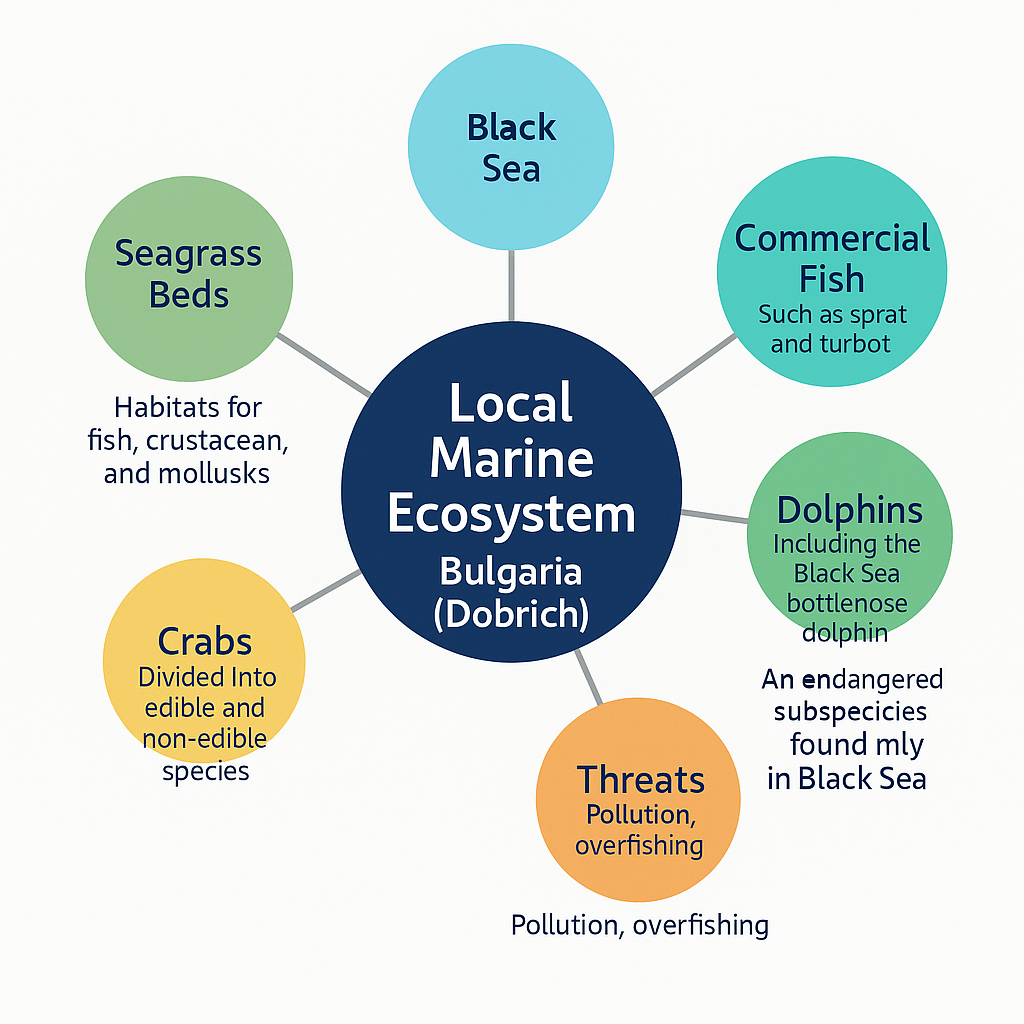
Bulgaria (Dobrich) – Black Sea coast
Black Sea Turbot (Scophthalmus maximus) – A flatfish highly valued in local fisheries.
Black Sea Sprat (Sprattus sprattus) – A small schooling fish, key food source for dolphins and larger fish.
Common Bottlenose Dolphin (Tursiops truncatus ponticus) – An endangered subspecies found only in the Black Sea.
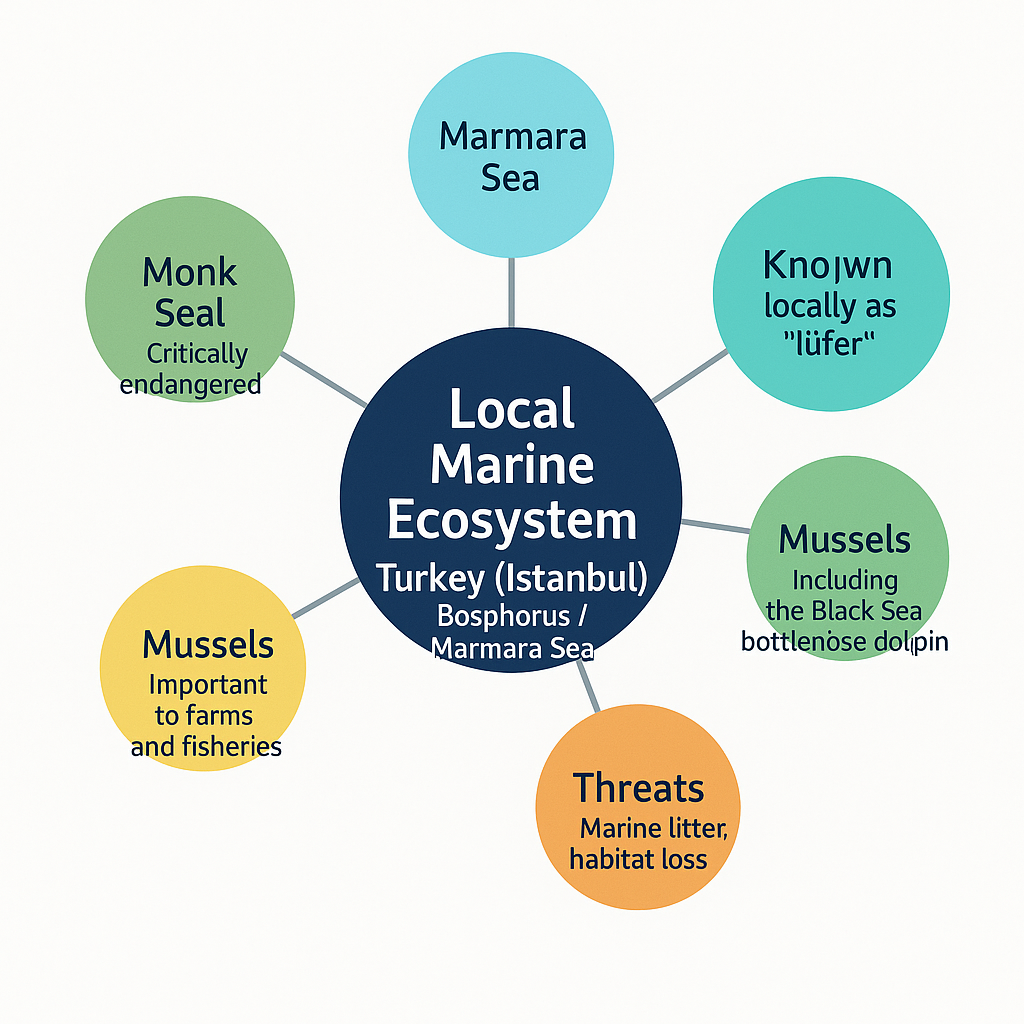
Turkey (Istanbul) – Bosphorus / Marmara Sea
Mediterranean Monk Seal (Monachus monachus) – One of the rarest marine mammals in the world.
Bluefish (Pomatomus saltatrix) – A migratory predator popular in Turkish cuisine (“lüfer”).
Mediterranean Mussel (Mytilus galloprovincialis) – Common in mussel farms and a vital filter-feeder.
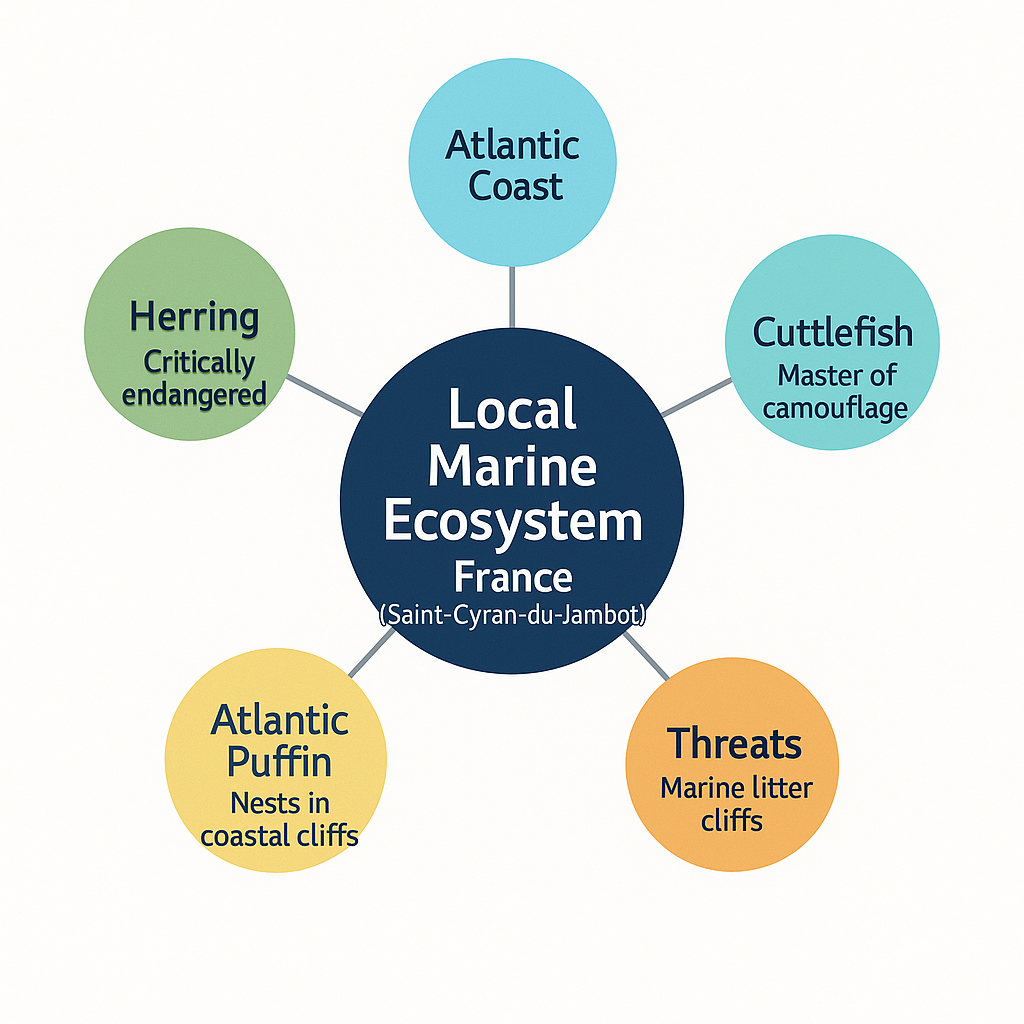
France (Saint-Cyran-du-Jambot) – Atlantic coast reference
(Although Saint-Cyran-du-Jambot is inland, students can research nearby Atlantic coastal species.)
European Herring (Clupea harengus) – Travels in large schools and supports a major fishery.
Common Cuttlefish (Sepia officinalis) – Known for its camouflage and ink defense.
Atlantic Puffin (Fratercula arctica) – A seabird that nests on coastal cliffs and islands.
Grant Agreement No.: 2024-2-FR01-KA210-SCH-000290336
Ranking of threats with justification
1. Overfishing
Justification: In the Black Sea, Bosphorus/Marmara, and Atlantic, overfishing directly reduces fish stocks (e.g., turbot, bluefish, herring) and disrupts food chains. Recovery can take decades, especially for slow-reproducing species like dolphins or monk seals.
2. Pollution (Plastic, Chemical, and Oil)
Justification: Urban and industrial areas near Dobrich, Istanbul, and France’s coastal zones release waste into rivers and seas. Plastics harm seabirds and marine mammals, while chemicals accumulate in seafood, affecting human health too.
3. Habitat Destruction
Justification: Coastal construction, dredging, and seabed trawling damage essential habitats like mussel beds, seagrass meadows, and spawning grounds. These areas are slow to regenerate and vital for biodiversity.
4. Climate Change
Justification: Rising sea temperatures alter migration patterns and breeding cycles (e.g., sprat, cuttlefish). Ocean acidification threatens shell-forming species such as mussels and cuttlefish. Effects are global but can be worsened locally.
5. Shipping and Boat Traffic
Justification: Particularly intense in Istanbul’s Bosphorus, causing noise pollution that interferes with dolphin communication, and increasing the risk of oil spills.
6. Invasive Species
Justification: Species like the comb jelly (Mnemiopsis leidyi) in the Black Sea upset the balance by consuming plankton and fish larvae. Often spread through ballast water from ships.
Grant Agreement No.: 2024-2-FR01-KA210-SCH-000290336
Cooperation with Regional Institutes
Guest Lecture Summary
Speaker: [Name], Marine Scientist / NGO RepresentativeDate: [Insert date]Topic: [Lecture Focus]
Key Insights from the Expert
Overview of local marine ecosystem challenges and priorities
Current research initiatives and monitoring programs in the region
Importance of sustainable fishing and pollution control measures
Role of community involvement and citizen science in marine protection
Impact of climate change on regional marine biodiversity
Examples of successful conservation projects or policies
Opportunities for collaboration and student involvement
How scientific data informs policy and management decisions
Skills Developed
Effective communication through active listening and note-taking
Critical inquiry by asking relevant, thoughtful questions
Networking with professionals and understanding collaborative research
Appreciating interdisciplinary approaches to marine ecosystem management
Notes:
Grant Agreement No.: 2024-2-FR01-KA210-SCH-000290336
Mini-Lecture (5–7 minutes)
1. Hook (1 min)
Ask students:
“Imagine tomorrow, one species completely vanishes from Earth. What happens next? Nothing? Or… everything changes?”
Show a striking image — e.g., a bee, a wolf, a plankton, or even a keystone plant.
2. Key Concept: The Web of Life (2 min)
Nature works like a web – every species is a thread.
If one thread is cut, the web weakens; sometimes it collapses.
Scientists call this interdependence – every living thing depends on others for food, shelter, pollination, cleaning the environment, and more.
3. Examples (2–3 min)
a) Bees disappear → No pollination → Decline of fruit & vegetable crops → Less food for animals and humans → Economic crisis.
b) Wolves disappear → Deer population explodes → Overgrazing destroys forests → Loss of bird and insect habitats → Riverbanks erode.
c) Plankton disappears → No base for the ocean food chain → Collapse of fish, whales, seabirds → Oxygen production drops.
4. Takeaway (1 min)
One loss can cause a domino effect called a trophic cascade.
Protecting species = protecting ourselves.
Group Brainstorm (10–15 minutes)
Instructions
Split into small groups (3–5 students).
Assign each group a species (real or imaginary). Examples:
Honeybee
Sea turtle
Oak tree
Shark
Earthworm
Coral
Task: Discuss What would happen if this species disappeared?
Step 1: Immediate effects (on plants, animals, humans).
Step 2: Long-term effects (environment, economy, culture).
Step 3: Possible solutions (How to prevent disappearance).
Report Back
Each group shares their top 2–3 effects in one minute.
Optional Quick Visual Aid
Draw a simple food web on the board and erase one species — ask: “What now?” Let students fill in the consequences.
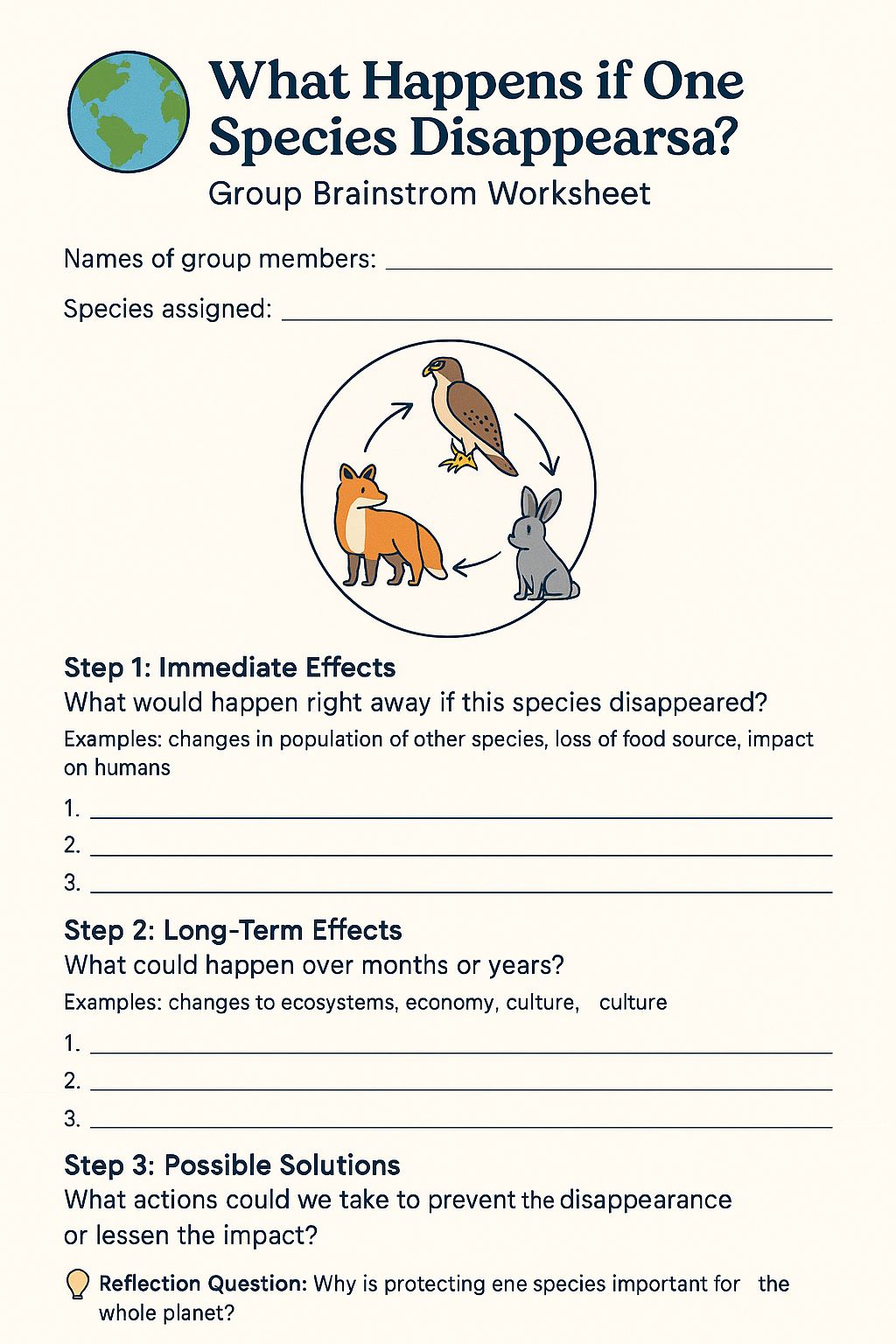
What Happens if One Species Disappears?Group Brainstorm Worksheet
Names of group members: _______________________________________________Species assigned: ______________________________________________________
Step 1: Immediate Effects
What would happen right away if this species disappeared?Examples: changes in population of other species, loss of food source, impact on humans.
Step 2: Long-Term Effects
What could happen over months or years?Examples: changes to ecosystems, economy, culture, climate.
Step 3: Possible Solutions
What actions could we take to prevent the disappearance or lessen the impact?
💡 Reflection Question:Why is protecting one species important for the whole planet?
Grant Agreement No.: 2024-2-FR01-KA210-SCH-000290336
Fieldwork / Coastal Visit
Date: ___________Location: ___________Weather Conditions: ___________
Observation Notes
Describe the coastal environment and wildlife you observe. Include plants, animals, and any notable features.
Water Sample Collection
Sample Location(s): ________________________
Water Temperature: _______ °C
Water Clarity/Turbidity: ____________________
Other Observations: ________________________
Litter Count & Pollution Assessment
Type of Litter | Count | Notes (e.g., location, material)
Plastic bottles
Plastic bags
Food wrappers
Fishing gear (nets, lines)
Glass bottles
Other
Data Summary Table
Parameter | Measurement / Count | Comments
Water Temperature
Water Clarity
Total Litter Count
Group Project Guidelines: Marine Ecosystems
Objective
Research a specific marine ecosystem topic and create a creative final product to share your findings.
Steps
Form Groups: 3-5 students per group.
Choose a Topic: Each group picks or is assigned a marine ecosystem theme (e.g., species, threats, conservation).
Research: Use reliable sources to gather facts, data, and images/videos.
Create Final Product: Choose one format:
Infographic (visual summary)
Video (3-5 min)
Written report (2-3 pages)
Prepare Presentation: Plan a 5-7 minute presentation to explain your project.
Practice: Rehearse to ensure clarity and timing.
Final Product Requirements
Accurate and relevant information
Clear visuals or engaging media
Proper citations for all sources
Creativity and originality
Presentation Rubric
Criteria | Excellent (4) | Good (3) | Fair (2) | Needs Improvement (1)
Content Accuracy | All facts are accurate and detailed | Mostly accurate with minor errors | Some inaccuracies or missing info | Many inaccuracies or incomplete
Clarity & Organization | Presentation is clear, logical, and engaging | Generally clear and organized | Some parts unclear or disorganized | Difficult to follow or confusing
Visuals/Media Quality | Visuals or media are professional and enhance understanding | Visuals support content well | Visuals are basic or somewhat unclear | Visuals are missing or distracting
Teamwork & Participation | All members contribute equally and confidently | Most members participate | Unequal participation | Few members participate actively
Communication Skills | Clear speech, good eye contact, confident | Mostly clear speech, some hesitations | Often unclear or low confidence | Difficult to understand or read
Time Management | Presentation fits within time limits | Slightly over/under time | Significantly over/under time | Much too short or too long
Grant Agreement No.: 2024-2-FR01-KA210-SCH-000290336
Reflection & Evaluation
Duration: 45 minutes
Activities:
Self-assessment: Students individually reflect on their learning and contribution
Group discussion: Share thoughts on “One action I can take…” to improve or contribute positively
Teacher feedback: Constructive feedback on group work and personal growth
Skills Developed:
Self-reflection and critical thinking
Civic responsibility and awareness
Communication and collaborative evaluation
Expected Output:
Written reflection entry recorded in the Erasmus+ learning journal
Grant Agreement No.: 2024-2-FR01-KA210-SCH-000290336
Threat Cards for Marine Wildlife Ranking Activity
1. Plastic Pollution
Description: Millions of tons of plastic waste enter the ocean every year. Animals can mistake plastic for food or get trapped in it.
Example: Sea turtles eating plastic bags, thinking they are jellyfish.
2. Overfishing
Description: Catching fish faster than they can reproduce disrupts the food chain and threatens species survival.
Example: Collapse of Atlantic cod populations in the 1990s.
3. Climate Change
Description: Rising ocean temperatures and acidification damage coral reefs and disrupt migration patterns.
Example: Coral bleaching in the Great Barrier Reef.
4. Oil Spills
Description: Oil coats animals’ bodies, poisoning them and destroying habitats.
Example: Deepwater Horizon spill in the Gulf of Mexico (2010).
5. Habitat Destruction
Description: Coastal development, dredging, and destructive fishing methods destroy breeding and feeding grounds.
Example: Mangrove deforestation in Southeast Asia.
6. Noise Pollution
Description: Ship engines, drilling, and sonar disrupt communication, navigation, and hunting for marine animals.
Example: Whale strandings linked to naval sonar.
7. Invasive Species
Description: Non-native species introduced by ships or aquaculture can outcompete native marine life.
Example: Lionfish spreading through the Caribbean.
8. Ghost Fishing Gear
Description: Abandoned fishing nets and traps keep catching and killing marine life for years.
Example: Seals entangled in lost fishing nets.
Grant Agreement No.: 2024-2-FR01-KA210-SCH-000290336
Marine Research Methods
1. Introduction (5–10 min)
Briefly introduce why marine research is important:
Monitoring ocean health
Tracking climate change effects
Protecting biodiversity
Explain the two main parts of today’s session:
Hands-on field-style workshop
Virtual tour of a marine science lab
2. Hands-On Workshop (30–40 min)
Activity A: Water Quality Testing
Objective: Learn how scientists measure the health of marine environments.
Materials:
Water samples (tap water, pond/sea water, bottled water)
pH strips or digital pH meter
Thermometer
Turbidity tube or homemade clarity tester (plastic bottle + Secchi disk image)
Dissolved oxygen test kit (optional)
Procedure:
Students work in small groups.
Measure pH, temperature, turbidity, and (if possible) dissolved oxygen.
Record results in a table and compare between samples.
Discussion:
What do these values mean for marine life?
Which sample appears healthiest?
Activity B: Plankton Sampling & Observation
Objective: Discover microscopic life in water.
Materials:
Plankton nets (or fine mesh/netting with a bottle attached)
Small containers
Hand lens or microscope
Procedure:
Collect water from a nearby pond, lake, or coast (if accessible).
Filter through plankton net into a container.
Observe under magnification.
Discussion:
How diverse is the plankton community?
Why are plankton important for the ocean food web?
3. Virtual Marine Lab Tour (15–20 min)
Purpose: Show how professional marine scientists work.
Options:
Pre-recorded tours from institutions like Monterey Bay Aquarium Research Institute (MBARI) or NOAA.
Interactive 360° tours from marine research stations (e.g., Schmidt Ocean Institute).
Key Focus Areas:
Research vessels and onboard equipment
Water sampling instruments (CTD rosette samplers)
Marine organism study areas
4. Reflection & Wrap-Up (10 min)
Ask:
Which method today was most interesting?
How could these methods be used to protect marine life?
Optional: Students create a “Marine Scientist for a Day” poster summarizing their findings.
Materials Checklist
Water testing kits (pH, temperature, turbidity, dissolved oxygen if possible)
Plankton nets or homemade alternatives
Microscopes or magnifying glasses
Printed worksheets for recording results
Laptop/projector for virtual lab tour
Grant Agreement No.: 2024-2-FR01-KA210-SCH-000290336
Worksheet – BirdLife Programs:
Standards in Animal & Environmental Protection
Erasmus+ Project: Animal Lovers
Part 1 – Before the Lesson
1. What do you already know about BirdLife International?
______________________________________________________________________________________________________________________________________
2. Why do you think protecting birds is important for the environment?
______________________________________________________________________________________________________________________________________
Part 2 – During the Presentation
Take notes while listening:
BirdLife’s Mission
______________________________________________________________________________________________________________________________________
Key Projects
______________________________________________________________________________________________________________________________________
Global Reach (countries/regions)
______________________________________________________________________________________________________________________________________
Part 3 – Reflection & Understanding
1. How does BirdLife protect bird habitats?
______________________________________________________________________________________________________________________________________
2. What is one interesting fact you learned today?
______________________________________________________________________________________________________________________________________
3. In what ways can BirdLife’s work inspire our Erasmus+ Animal Lovers project?
______________________________________________________________________________________________________________________________________
Part 4 – Personal Commitment
One action I can take to help protect birds in my community is:
______________________________________________________________________________________________________________________________________
Grant Agreement No.: 2024-2-FR01-KA210-SCH-000290336
Group Project – Bird Protection Campaign
Description:Students work in small groups to design a mini campaign aimed at protecting a chosen local bird species. The campaign can take various creative formats such as a poster, a short video, or social media content. The goal is to raise awareness about the species’ threats and conservation needs through engaging science communication.
Duration:2 sessions × 45 minutes each (total 90 minutes)
Objectives:
Develop creativity and teamwork skills
Enhance science communication and digital literacy
Foster deeper understanding of bird conservation issues
Practice presenting and promoting environmental messages
Methodology:
Research and select a local bird species needing protection
Identify key threats and conservation messages
Design campaign materials (poster, video, social media post) using available digital or art tools
Prepare a brief group presentation of the campaign product
Expected Outcomes:
A completed campaign product (poster, video clip, or social media content)
Group presentation explaining the conservation message and creative choices
Increased awareness and motivation to support bird protection
Grant Agreement No.: 2024-2-FR01-KA210-SCH-000290336
Activity Title: Understanding BirdLife StandardsDuration: 60 minutes
Learning Objectives:
Analyse BirdLife International’s key protocols and conservation principles.
Understand how BirdLife defines and manages protected areas, monitoring systems, and advocacy actions.
Develop critical thinking skills by connecting conservation principles to real-world policy frameworks.
Activity Outline:
Introduction (10 min)
Brief overview of BirdLife International.
Explain the purpose of conservation standards and why they matter globally.
Show short video or infographic about BirdLife’s work.
Main Analysis (25 min)
Break down the three focus areas:a. Protected Areas – Key biodiversity areas (KBA) criteria, site designation, habitat management.b. Monitoring – Long-term species and habitat tracking, citizen science participation.c. Advocacy – Policy influence, community engagement, legislative protection measures.
Use printed or digital excerpt from BirdLife’s official protocols for reference.
Group Task (15 min)
In pairs or small groups, analyse a case study of a BirdLife conservation project.
Identify how each of the three focus areas (Protected Areas, Monitoring, Advocacy) was applied.
Conclusion & Reflection (10 min)
Groups share findings briefly.
Discuss how BirdLife’s standards could be adapted or applied locally.
Learning Outcomes:
Demonstrate understanding of BirdLife’s conservation framework.
Connect environmental policy concepts to practical conservation actions.
Identify ways these standards can be relevant to students’ own environment.
Assessment / Output:
Summary Sheet – Each student completes a one-page sheet summarising BirdLife’s core standards in:
Protected Areas
Monitoring
Advocacy
(Optional) Local application example
Grant Agreement No.: 2024-2-FR01-KA210-SCH-000290336
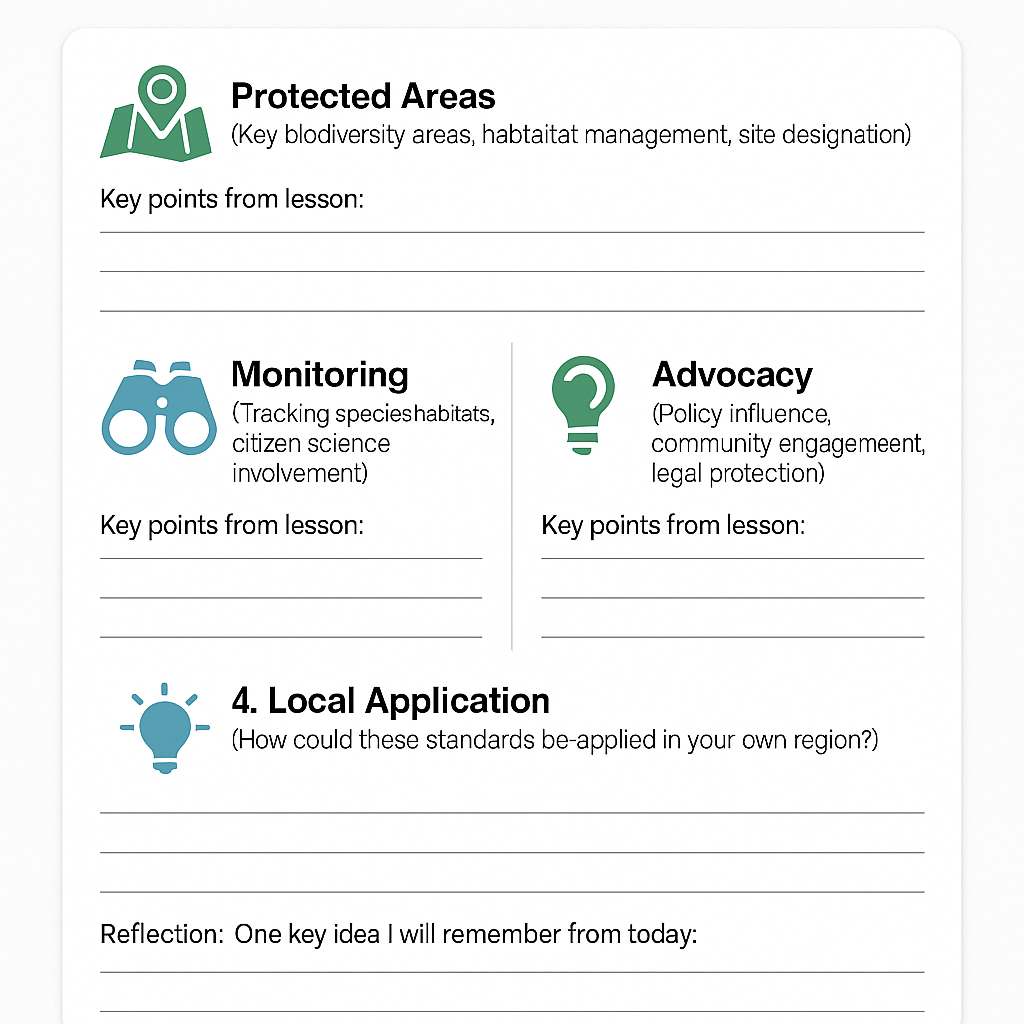
BirdLife Standards – Summary Sheet
Name: ________________________Date: ________________________
1. Protected Areas
(Key biodiversity areas, habitat management, site designation)
Key points from lesson:
Example project/site:
2. Monitoring
(Tracking species, habitats, citizen science involvement)
Key points from lesson:
Example project/site:
3. Advocacy
(Policy influence, community engagement, legal protection)
Key points from lesson:
Example project/site:
4. Local Application
(How could these standards be applied in your own region?)
Reflection:One key idea I will remember from today:
ANIMAL LOVERS (ALE+)
Erasmus+ school partnership promoting empathy, responsibility, and animal welfare education.